
A Day Spent Switching Between Contact Lenses and Glasses
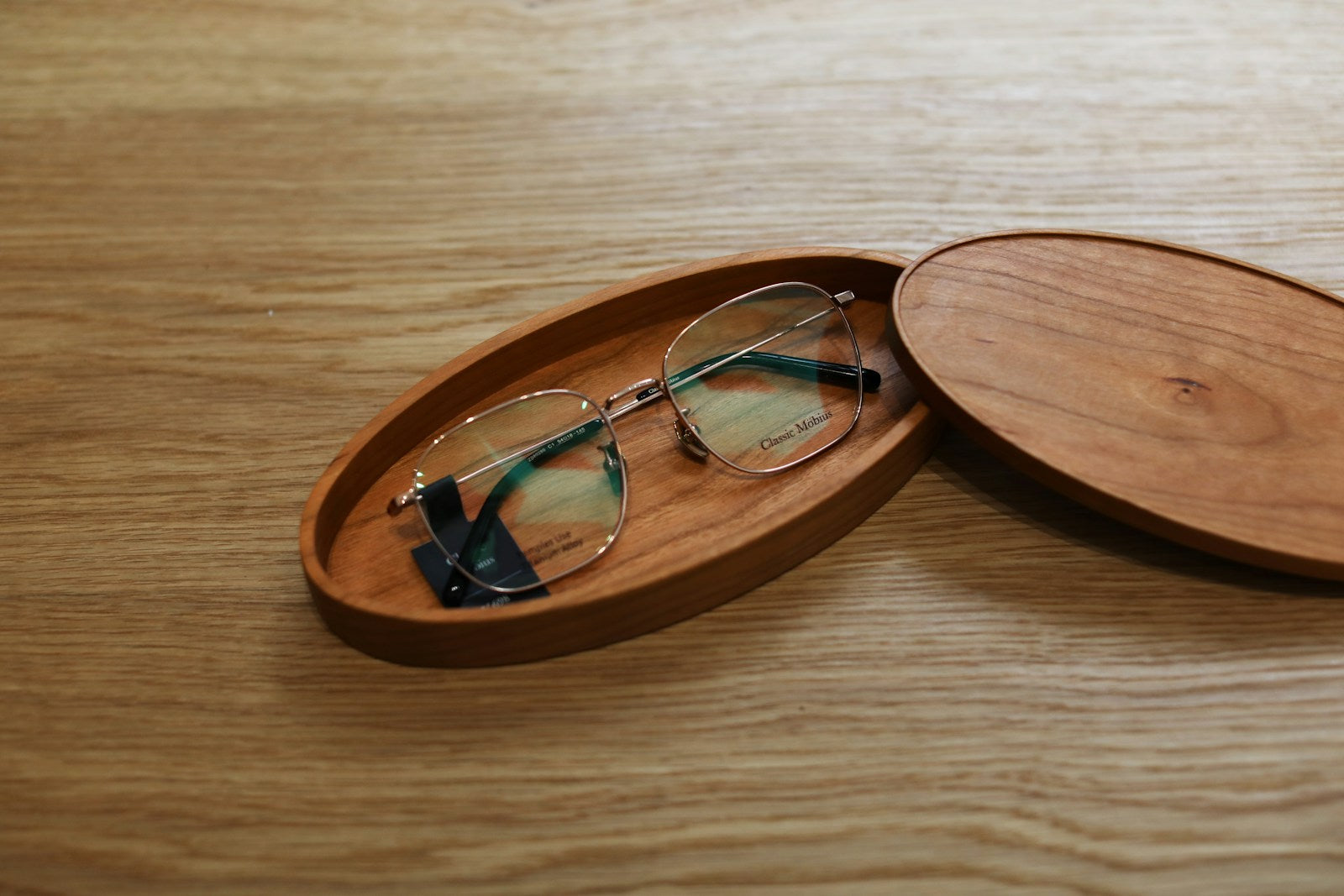
People who wear contact lenses need glasses too.
When you get up in the morning, after you take your lenses out at night, on days your eyes feel uncomfortable, in the bottom of a travel bag. The time in a day spent in glasses is longer than you might expect.
But there are not many fixed rules about when to switch between lenses and glasses. This article separates what can be confirmed in guidance from eye care organizations from what cannot.
The basic rule for daily-wear lenses is one
The American Academy of Ophthalmology describes daily-wear lenses this way: you wear them while you are awake and take them out when you go to sleep. That holds whether the lens is replaced daily or every one, two or four weeks.
Some lenses are approved for continuous wear, but even then the guidance says they need to be taken out and cleaned at least once a week.
Why sleeping in lenses is risky is covered in It Was Only a Nap: Six People Who Slept in Their Contact Lenses. Because lenses have to come out before you sleep, you always need glasses at the start and the end of the day.
Days with a lot of screen time
The American Academy of Ophthalmology explains that contact lens wearers who spend long hours on screens may find dryness an ongoing problem, and suggests alternating with glasses as a remedy.
According to the same material, people blink only about 5 to 7 times a minute while using a computer, compared with about 15 normally. Blinking is how moisture gets onto the surface of the eye, so when the count falls, discomfort can grow.
On a heavy screen day you could think of splitting the day: lenses in the morning, glasses in the afternoon. But this material gives no rule for how many hours before you should switch. That is why it is safer to use the signals your own eyes give you, not a set time.
Why lenses start to feel dry in the afternoon is in Why Do Contact Lenses Start Feeling Dry in the Afternoon?.
When these signals appear, switch to glasses
The following are symptoms that appear repeatedly, in guidance from the FDA, the CDC and others quoted in other articles on this blog, as signals to take lenses out and get checked.
- Stinging, or a foreign-body feeling that will not go away
- Redness
- Light sensitivity, or blurring that comes on suddenly
- Pain
If you have these symptoms there is no need to keep wearing your lenses and put up with it. Take them out and put on glasses. If the symptoms continue or get worse, see an eye doctor.
Should you set days when your lenses rest?
The American Academy of Ophthalmology and CDC guidance I checked in writing this article did not contain a standard saying lenses need a day off, or that you should wear only glasses on some days of the week. So this article does not invent a rule about which days to rest.
What can be confirmed is the wearing rules. Wear lenses only while awake, keep to the replacement schedule for each product, and care for the lenses and case as instructed. The CDC explains that wearing, cleaning and storing lenses as directed is important for eye health and for preventing infection.
Caring for a lens case is covered in The Dirtiest Thing Was Not the Lens. It Was the Case.
Your glasses need to be ready too
Even if you own glasses, it is hard to switch if the prescription no longer fits. Keep a pair in your bag and near your bed, and check now and then that the power still suits your eyes.
If you have a trip or a business trip coming up, put packing your glasses into the plan. On a plane you may have to take your lenses out, and at your destination your eyes may become uncomfortable.
Glasses are not just a spare for when lenses bother you. They are another choice you can make when your eyes need to rest.
References
- American Academy of Ophthalmology, Digital Eye Strain
- American Academy of Ophthalmology, Types of Contact Lenses
- CDC, About Contact Lenses
This article is general information. How long to wear lenses and how to combine them with glasses depend on your eyes and prescription, so follow the advice of a professional. If you have pain, redness or a change in vision, stop wearing them and seek care.