
It Was Only a Nap: Six People Who Slept in Their Contact Lenses
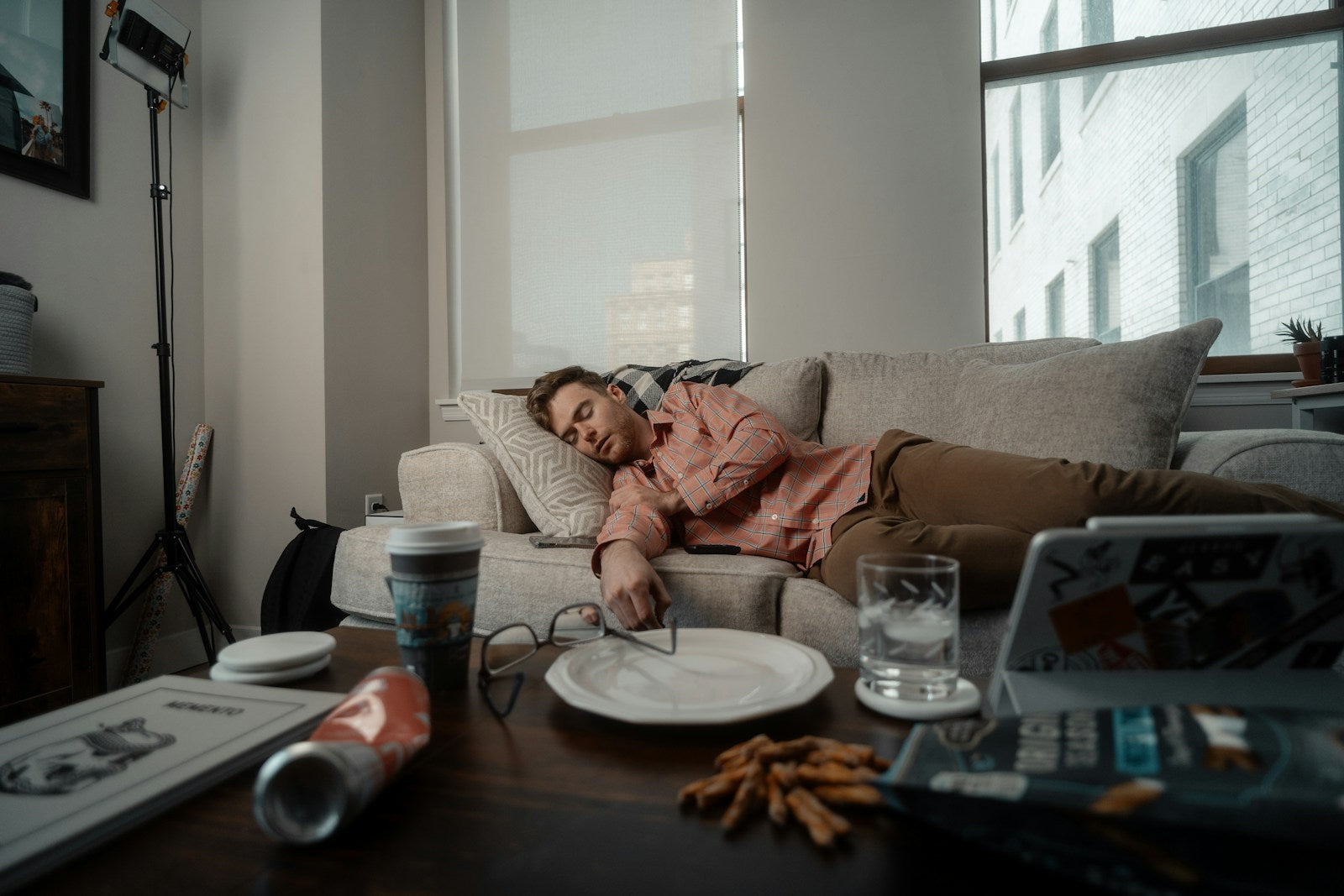
One man kept his lenses in for two days on a hunting trip. One woman dozed off briefly on the sofa. One teenager slept in decorative lenses.
The beginnings differed, but all six ended up at a clinic with pain, redness, light sensitivity and blurred vision. These are the corneal infection cases the CDC described in 2018. They are not only about people who slept in lenses every night — they started with a single trip, or a nap, the most ordinary of scenes.
The third day after the hunting trip
A 59-year-old man spent two nights with his lenses in. On the third day his eye began to hurt, and a scar was left in the centre of his cornea.
Another man, 34, slept in his lenses three or four times a week and swam in them. For two months treatment made little difference, and Acanthamoeba keratitis was suspected. He was started on hourly eye drops and tapered off the medication over six months. Even after the infection settled, glasses alone did not give him clear enough vision, and he needed a rigid lens.
A 17-year-old girl slept in decorative lenses bought without a prescription. An ulcer formed on her cornea and Pseudomonas aeruginosa was identified. Her vision recovered after treatment, but scarring remained. In another patient, an 18-year-old man, bacteria were found in the eye, on the lens and in the lens case alike.
The CDC noted that these cases do not represent all infections. They were relatively severe cases gathered at university hospitals. Even so, all six had slept in their lenses, and for some, water exposure or buying without a prescription overlapped with that.
What a long flight does to lenses is in The Cabin Is Drier Than a Desert.
What changes when your eyes are closed
The cornea has no blood vessels. It draws much of the oxygen it needs from tears and from the air. Closing your eyes reduces contact with air, and a lens adds one more barrier. During sleep there is no blinking either, so there is less chance for debris under the lens to be washed away.
There are materials with high oxygen permeability, and products approved for overnight wear. But approved does not mean risk-free. In the research the CDC cited, sleeping in lenses raised the related risk of infection six- to eightfold. That does not mean falling asleep once guarantees an infection; it means the relative risk of an already rare event goes up.
Nor can we say that the absolute risk of a nap equals that of a full night. But as far as the eyelid is concerned, both are time spent with the eyes closed. For unplanned sleep — the sofa, a flight, a night shift — it is better to carry glasses and a lens case.
If you have already slept in them
In the morning, do not pull at a dry lens straight away. Blink slowly, use lubricating drops made for lenses, and once the lens moves again, wash your hands and remove it. Do not reuse a daily disposable lens.
If there is pain, marked redness, light sensitivity, discharge or sudden blurring, do not put in a fresh lens and push through it. If only one eye hurts, or light is hard to look at, do not delay the visit.
What the six cases show is not fear but the choices that lower risk. Taking lenses out before sleep, and packing glasses in the travel bag. Making no exception even for a short nap is the rule that is easiest to remember.
On tired days, preparation decides it
Infection arises from lens material, wearing time, hand hygiene, water exposure and the state of an individual's eyes acting together. Getting away with it last night guarantees nothing about the next time — and one slip does not necessarily lead to infection either.
Keeping a pair of glasses permanently in the travel bag and the night-shift bag makes the decision easy at the moment you are tired. If you expect to sleep on a flight, taking the lenses out before boarding is simpler. Safe habits are built less by deciding each time than by keeping the things you need in the same place.
The risk of water exposure is covered in Why Can You Get Caught in the Rain but Not Shower in Contact Lenses?.
References
- CDC MMWR, Corneal Infections Associated with Sleeping in Contact Lenses
- CDC MMWR, Contact Lens Wearer Demographics and Risk Behaviors
This article is general information. If you have symptoms, or need wearing instructions for your own eyes, consult a professional.