
The Cabin Is Drier Than a Desert: What Happens to Your Contact Lenses on a 12-Hour Flight
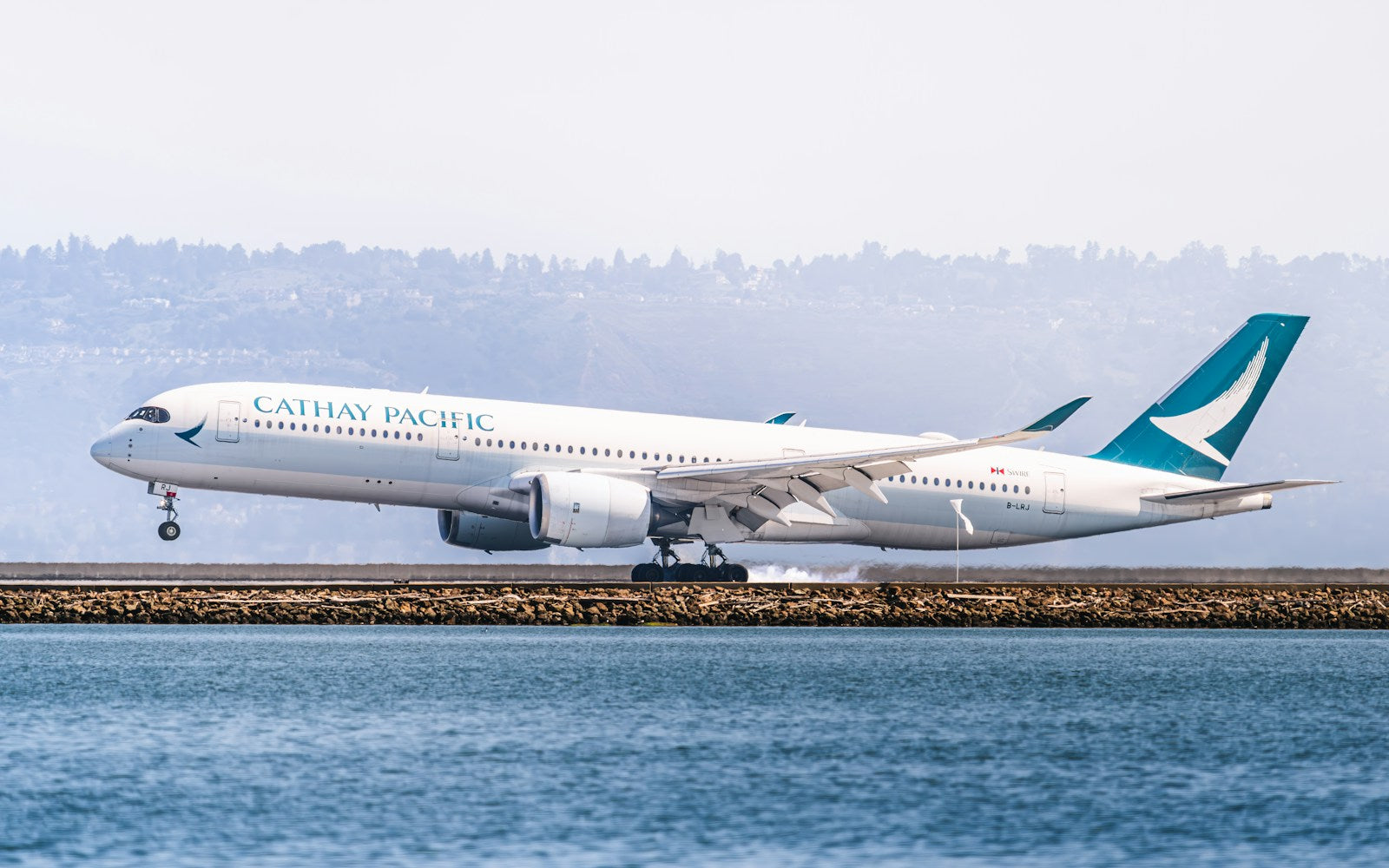
Thirty minutes before departure.
You put your lenses in at the airport bathroom mirror.
Today is a twelve-hour flight.
Boarding. Dinner. A film. A glass of wine.
Then sleep.
Seven hours later you open your eyes.
They feel like sandpaper.
The lenses seem glued to your eyes and blinking does not clear the blur.
Five hours to landing.
The person next to you is asleep, comfortable, wearing glasses.
Anyone who has lived this scene does one of two things on the next flight.
Boards in glasses, or reads this.
Cabin Humidity Is About the Same as the Sahara
The air outside a cruising jet is around minus fifty degrees with almost no moisture.
That air is warmed and fed into the cabin.
Warming it drops the relative humidity further.
Cabin humidity typically sits between 10 and 20 percent.
That is daytime Sahara territory.
Your living room is 40 to 60.
Tears evaporate steadily into that dry air.
A contact lens is an object floating on tears.
When tears dry, the lens dries, and a dry lens sticks to the eye.
Why Sleeping in Lenses Is the Worst Part
Awake, the cornea takes oxygen straight from the air.
Close your eyes and the lid covers that route.
Oxygen drops sharply.
Add a lens and it drops again.
Now hold that state for hours in a dry cabin.
The cornea swells, its surface picks up tiny scratches, and bacteria find an ideal place to settle.
The US Centers for Disease Control and Prevention notes that sleeping in lenses raises the risk of eye infection six to eight times.
An aircraft is no exception.
It is worse.
Unless a lens is approved for extended wear, it was not made for even a thirty-minute nap.
So Should You Take Them Out?
The answer depends on sleep, not on flight time.
If you plan to sleep, board in glasses.
Put the lenses in at the bathroom an hour before landing.
For a flight under three hours with no sleep, lenses are fine.
Just carry eye drops.
People who say "I won't sleep" on a twelve-hour flight usually do.
If You Board in Lenses, Pack These Five
Glasses. If the lenses fail you need a plan B, or you spend twelve hours in a blur.
A lens case and a small bottle of solution. You need to be able to take them out at any time.
Preservative-free single-use eye drops. Check that they are approved for use with lenses in.
A spare pair of dailies. A fresh lens is cleaner than reinserting one you removed.
Soap. Hand sanitiser leaves alcohol on your fingers, and that goes into your eye. Wash with soap in the bathroom.
Solution Is a Liquid: The 100 ml Wall
A large bottle of solution gets stopped at security.
Many countries limit carry-on liquids to 100 ml per container in one clear bag.
Big bottles go in checked luggage.
Travel-size solution and single-use drops are within the rule.
The US Transportation Security Administration allows exceptions for medical liquids, but they must be declared, and rules differ by country.
The easiest route is a 100 ml travel bottle.
What to Do When Your Eyes Dry Out Mid-Flight
One drop of eye drops.
Blink a few times.
Still uncomfortable? Wash your hands in the bathroom and take the lenses out.
To reinsert later, store them in the case with fresh solution.
Dailies: discard, insert a new pair before landing.
Never wet a lens in your mouth, rinse it under the tap, or wipe it with saliva.
Aircraft bathroom water is not drinking water.
Turn the Overhead Vent a Little
The air nozzle above your seat blows dry air straight at your face.
If you are wearing lenses, angle it slightly away.
Thirty seconds now, a real difference six hours later.
When Does a Daily Lens's "Day" End Across the Date Line?
A daily lens is measured in days.
Cross the date line and that day gets confusing.
The measure is not the calendar but your waking hours.
Insert on the morning you leave, remove on the night you arrive: that is one day.
Fresh lenses the next morning.
Two-week and monthly lenses need a case and solution on the road, so for short trips switching to dailies lightens the bag.
If Your Eyes Are Still Red After Landing
Dryness recovers once you land.
Pain, light sensitivity, discharge or reduced vision are not dryness.
Remove the lenses, wear glasses, and if it lasts more than a day, see a doctor even abroad.
Eye infections away from home get treated late.
The Night-Before Checklist
- Glasses (with case)
- Dailies for the number of travel days plus two (each eye)
- Solution under 100 ml and a case
- Preservative-free single-use eye drops
- A note of your prescription (BC, DIA, PWR, CYL, AXIS, ADD — [how to read it](/blogs/news/how-to-read-your-contact-lens-prescription))
- Sunglasses
A photo of the prescription on your phone saves the day when you need to buy lenses abroad in a hurry.
It Comes Down to One Question
The cabin is dry.
You cannot change that.
You can change one thing.
Will you sleep?
If yes, take them out before boarding.
If no, keep drops, glasses and a fresh pair within reach.
Do that and a twelve-hour flight will never be hard because of lenses.
You can sleep as comfortably as the person next to you.
In glasses.
References
- US Centers for Disease Control and Prevention, Healthy Contact Lens Wear and Care
- American Academy of Ophthalmology, Tips for Contact Lens Wearers Who Travel
- US Transportation Security Administration, Liquids Rule
- World Health Organization, Air travel advice
This article provides general information. Do not sleep in lenses that are not approved for extended wear. If pain, redness or reduced vision persists after a flight, stop wearing the lenses and seek care.