
Why Fighter Pilots Could Not Wear Contact Lenses Until 1989
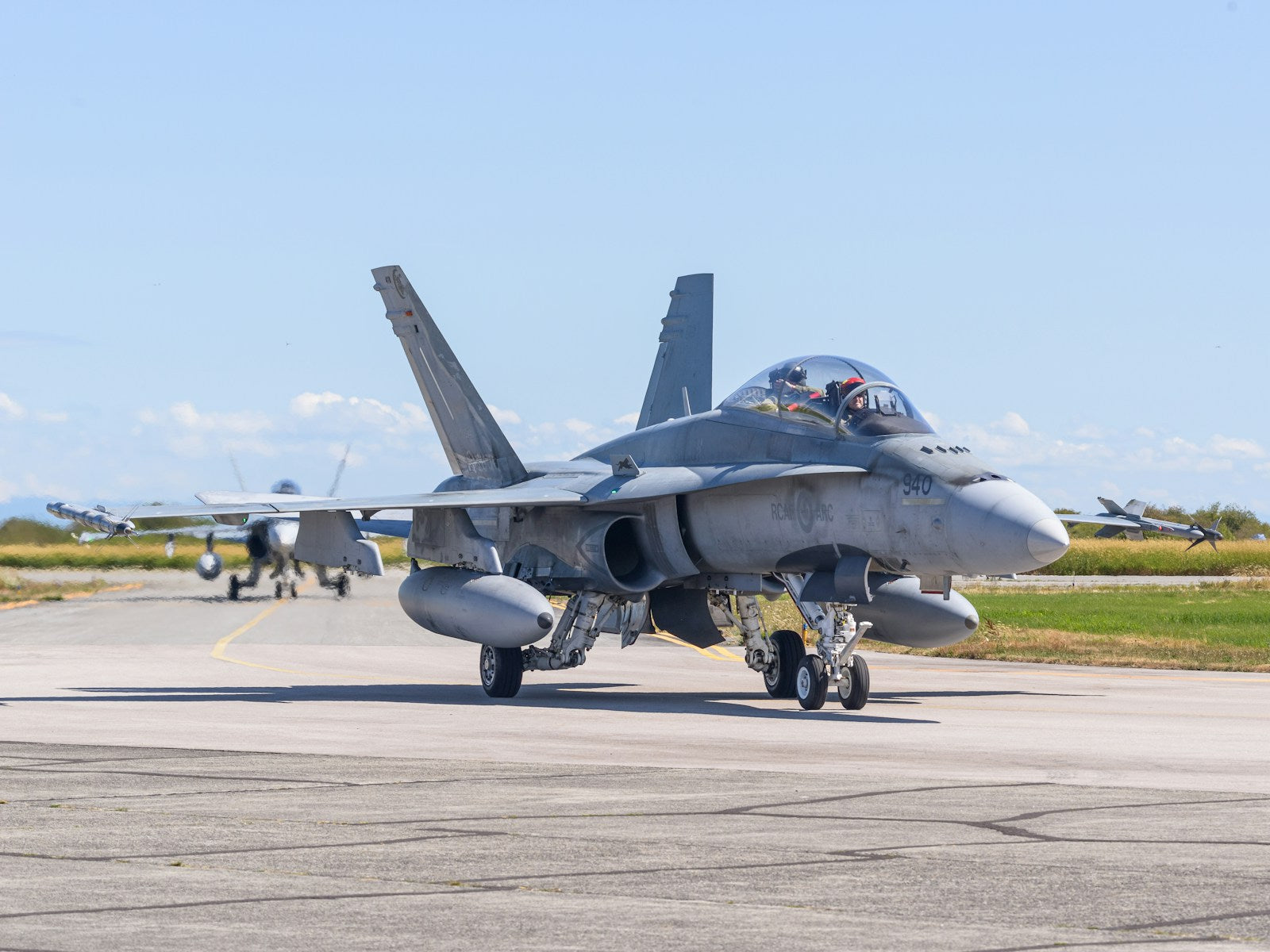
A fighter cockpit is a harsh place for eyes.
Sun above, and clouds below that throw the light back like a mirror.
Breath rises from the oxygen mask and fogs the glasses.
Pull a hard turn and several times your body weight presses down; the glasses slide down your nose.
Instrument lights reflect in the canopy, and the glasses add one more layer of reflection on top.
Sweat beads on the inside of the lenses.
So pilots' eyes have long been a problem for optical companies.
The first answer was sunglasses.
The second answer took another half-century.
1937: sunglasses born from a pilot's headaches
John Macready of the US Army Air Corps was a record-setting high-altitude pilot.
The higher he flew, the harsher the light, and he suffered headaches and nausea.
The goggles of the day could not block it.
He went to Bausch & Lomb, an optical company in New York.
In 1936 a prototype appeared: green lenses in a teardrop-shaped frame, named "Anti-Glare."
The next year, 1937, it went on sale to the public under a new name.
Ray-Ban. As in banning rays.
The model name Aviator carries that origin in plain sight.
This is the beginning of the brand as Ray-Ban tells it.
Glare was solved.
The problem of the pilot who wore glasses was not.
What glasses go through in a cockpit
Fighter pilots look behind them constantly.
That is where the enemy comes from. Pilots call it "checking six."
Glasses have a frame at the edge of the field of view.
Turn your head all the way to look over your shoulder, and the frame cuts the picture.
Add fogging, slipping, reflections, sweat.
The US Air Force knew all this.
Even so, until the summer of 1989, contact lenses were permitted only for specific medical cases that glasses could not correct.
To change the rule, it needed evidence.
Real flight data on "do lenses come out under high-G manoeuvres" and "can lenses be managed in a cockpit."
The flight trial: 50 pilots, 35 weapon systems officers
So the Air Force ran a test programme.
About 85 aircrew from Tactical Air Command: 50 pilots and 35 weapon systems officers.
Two extended-wear soft lenses were used, one with 55% water content and one with 38%.
Disinfection was a hydrogen peroxide system plus an enzymatic protein-removal tablet.
The results:
Withdrawn from the trial for medical reasons: none.
Days grounded: one. A single corneal scratch from a fractured lens.
Lenses dislodged in flight: three. Two of them during manoeuvres under positive G-loading.
And the benefits the crews reported:
No more worrying about glasses fogging, slipping, reflecting, or blurring with sweat.
"Increased peripheral vision when checking six."
June 1989
With the trial results in hand, the US Air Force approved soft contact lens wear for aircrew in June 1989.
Conservatively.
Extended-wear lenses, but daily wear only — out at night.
Sleeping in them for days at a time was not authorised.
From sunglasses in 1937 to contact lenses in 1989: 52 years.
Same cockpit, same eyes, different tool.
What to take from the cockpit
Two things this trial says to everyday wearers.
First, soft lenses stay put under hard movement better than you might think. With several times normal gravity pressing on the body, it was three incidents in 85 people. If you worry about a lens popping out during sport, that is a number worth knowing. Sport and lenses are covered in Gym Handles, Sunscreen and Swimming Pools.
Second, even the Air Force did not allow sleeping in them. These were lenses rated for extended wear, and still the rule was out at night. Removing lenses before sleep is the principle.
What dry air at altitude does to a lens continues in The Cabin Is Drier Than a Desert.
References
- National Academies Press, Use of Soft Contact Lenses by Tactical Aircrews — trial size, lens types, three dislodgements, "checking six"
- Dennis RJ et al., Aircrew soft contact lens wear: a survey of USAF eyecare professionals, Aviat Space Environ Med 1993 — June 1989 approval, daily wear only
- Bachman WG, A survey of U.S. Air Force flyers regarding their use of extended wear contact lenses, 1994
- The Ray-Ban history (1936 Anti-Glare, 1937 Ray-Ban) follows the brand's published account and secondary records.
This article provides general information. Military aviation rules vary by country and era; what is described here is the US Air Force record from the late 1980s. Even with extended-wear lenses, follow your eye-care professional's instructions on wearing time and overnight wear.