
Why You Should Never Pour Fresh Solution on Top of Old
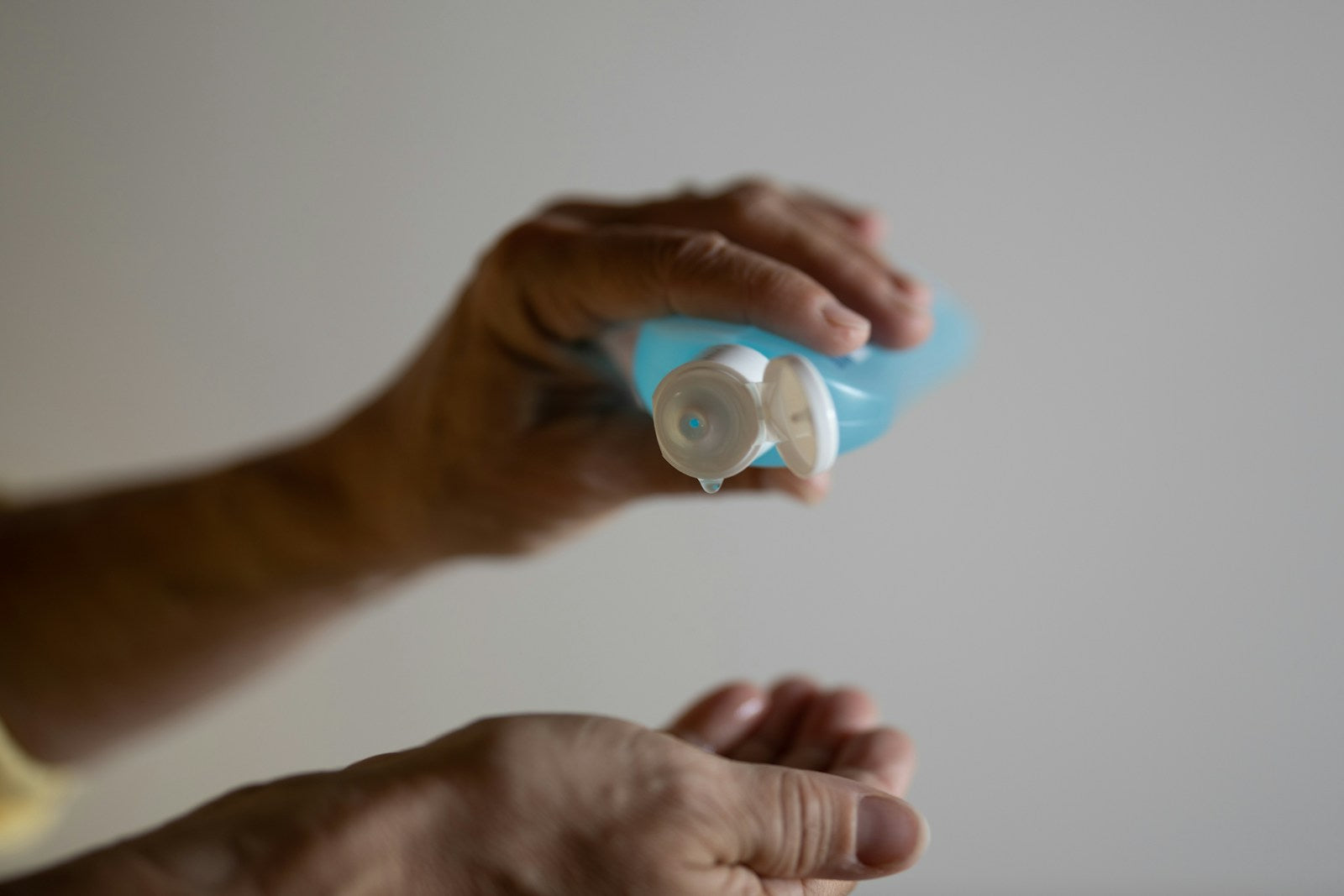
It is late, you go to take your lenses out, and there is barely any solution left in the bottle. A little of last night's solution is still sitting in the case. Throwing it away feels wasteful, and a small top-up looks like enough to cover the lenses.
The habit has a name. Topping off: adding fresh solution instead of discarding the old.
On the face of it, more fresh solution sounds fine. But disinfection is not simply a matter of lenses being submerged in liquid. It is a process in which ingredients at a set concentration act for a set length of time.
Yesterday's solution has already done its work
Used solution can contain proteins and lipids from your tears, material carried in from your hands, and deposits from the lens surface. The disinfecting ingredients cannot be assumed to be what they were when they left the bottle.
Pouring fresh solution on top does not create a clean case. It starts the next disinfection with used solution mixed in. The CDC states that mixing old solution with new reduces the effectiveness of disinfection.
Looking clear and being disinfected are different things. Microorganisms cannot be seen with the eye, and an invisible film can form on the walls of the case.
How the solution types differ is set out in Why Is Contact-Lens Solution More Than Salt Water?.
Disinfection starts with emptying the case completely
After you put your lenses in, tip out all the solution in the case. Rub and rinse the inside with fresh multi-purpose solution. Do not use water. Shake out what remains and leave the case upside down with the caps off on a clean tissue to dry.
At night, fill the case with fresh solution, put in lenses cared for as the product directs, and keep to the stated disinfection time.
Keep the bottle tip from touching your hands or the case, and close it straight after use. Do not decant solution from a large bottle into small unlabelled containers. Even if the expiry date has not passed, start a new bottle once the product's discard-after-opening period is up.
Not every clear bottle is the same thing
Hydrogen peroxide systems need their own case and a neutralisation time. Unneutralised solution that reaches the eye can cause severe irritation. It must not be put in an ordinary case or mixed with multi-purpose solution.
Saline is not the same as multi-purpose solution either. It can be used for rinsing, but generally it does not disinfect. Rather than reading only the words "for contact lenses" on the front of the bottle, check which job it does: cleaning, rinsing, disinfecting or storing.
Keeping the old solution saves a few millilitres. But if the care process falters, that saving means nothing. Buy the next bottle before the current one runs out, and for travel use the small sealed sizes the manufacturer supplies.
Good care is less about special technique than about repeating the same order of steps.
Empty it, clean it with fresh solution, dry it, and fill it with fresh solution again at night.
Fresh solution needs time too
Even with fresh solution, taking the lenses out earlier than the product specifies can mean the disinfection has not finished. If you put lenses in late at night and wear them first thing in the morning, check how long they were actually stored. The minimum disinfection time is not a decorative number; it is part of the conditions the product was tested under.
Do not mix different solutions in one case, and do not carry your old routine over to a new brand. Even among multi-purpose products, ingredients and recommended times can differ. Writing the opening date on the bottle and not sharing supplies with family also keep the routine simple.
The risk of water exposure is covered in Why Can You Get Caught in the Rain but Not Shower in Contact Lenses?.
References
Instructions and disinfection times differ between solutions. Follow the product's directions and your eye care professional first.