
Why a Contact Lens Went Undetected Inside an Eyelid for 28 Years
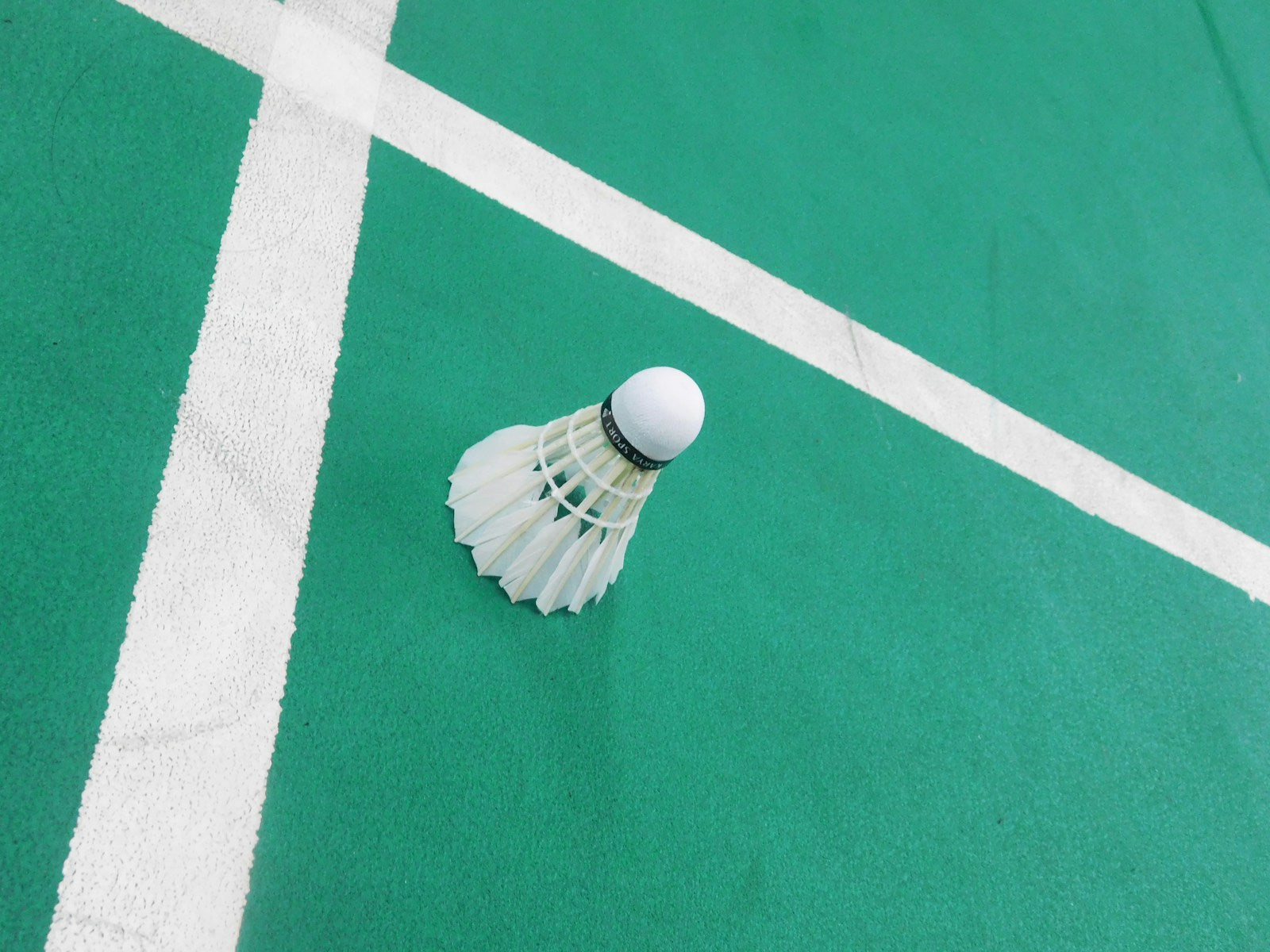
A fourteen-year-old girl was playing badminton when a shuttlecock struck her eye.
The hard contact lens she was wearing was nowhere to be seen. Not on the floor, not on her clothes. Her family assumed the impact had knocked it out and that it had fallen somewhere.
Twenty-eight years went by.
At forty-two, she went to hospital because her left upper eyelid was swollen and drooping slightly. An MRI showed a small, sharply outlined lump inside the upper lid. Surgery removed an old hard contact lens, wrapped in a cyst.
The lens she believed she had lost had been sitting inside her eyelid tissue all along.
Did the lens go behind her eye?
No.
The conjunctiva that lines the inside of the eyelid continues onto the surface of the eyeball. There is a pocket-like fold behind the lid, but it is closed at the back. There is no passage for a lens to travel around the eyeball towards the brain.
When a soft lens folds and hides under the upper lid, it normally stays inside that conjunctival pocket. It has not gone behind the eye; it is simply out of sight beneath the lid.
The 28-year case was different. At the moment of the injury, the hard lens is thought to have been pushed into the eyelid tissue itself. The body walled it off as a foreign object and formed a cyst around it, and for a long time it produced no clear symptoms.
This single case should not be applied to every "missing lens". The researchers did not watch the lens travel either. They reconstructed the path from the old injury and from what surgery found.
Lenses coming loose during exercise are covered in Gym Handles, Sunscreen and Swimming Pools.
Most missing lenses are far more ordinary
When a lens cannot be found, the likely answers are that it already fell out, that a soft lens folded up under the upper lid, or that it slid from the centre of the eye towards the white. A rolled or dried lens looks like a small clear fragment and is easy to miss.
Rubbing the eye because you cannot see it can scratch the conjunctiva or the cornea. Putting in a second lens to check is also a poor idea. If the first lens is still there, folded, you now have two.
Wash your hands first, then look slowly up and down in front of a mirror. Lubricating drops approved for use with lenses, followed by a few blinks, can move a folded lens into view.
If there is pain, marked redness, sensitivity to light or blurred vision, stop searching on your own. If the lens stays missing, or the eye was injured at the same time, have it checked by a professional.
Why 28 years passed
This lens was not sitting on the cornea all that time. It was encapsulated in the soft tissue of the upper eyelid. That appears to be why it never produced the usual foreign-body sensation of something scraping the cornea with every blink.
The body had not forgotten it entirely, though. Decades later it announced itself as a swollen, drooping lid. The puzzle only came together once the old injury and the history of hard lens wear were put side by side.
That is why a consultation can reach back years. A blow to the eye, a lens that went missing, one eyelid that keeps swelling — events that look unrelated and far apart can be the clue.
Contact lenses do not travel behind the eye. But they can hide under an eyelid, and very rarely, in combination with an injury, they have ended up inside the tissue.
The message left by a lens found twenty-eight years later is a simple one.
A lens that disappears from your eye is something to check, not something to guess about.
Reading this case in proportion
An ordinary soft lens folded under the lid and a hard lens driven into tissue by an injury are not the same event. Explaining a routine lost lens with the 28-year case creates fear that is not warranted. Equally, if a lens cannot be found after an injury and symptoms follow, it should not be waved away as simply lost.
Note the type of lens, whether there was an impact, when it disappeared, and any pain or change in vision afterwards. That record helps at the consultation. Even when only part of a torn lens comes out, do not go looking for the rest with a fingernail or tweezers.
Why a dry lens does not come away easily is covered in Why Do Contact Lenses Start Feeling Dry in the Afternoon?.
References
- BMJ Case Reports / PubMed, case report of a contact lens recovered from the eyelid after 28 years
- PubMed, An unusual eyelid lump
This article is general information based on a rare traumatic case report. If you have pain, redness, sensitivity to light or any change in vision, stop trying to remove a lens yourself and seek care.